
Moving beyond child’s play in an industry that is increasingly challenging and changing everyone’s expectations by the day.
Edited by Donna Schmidt
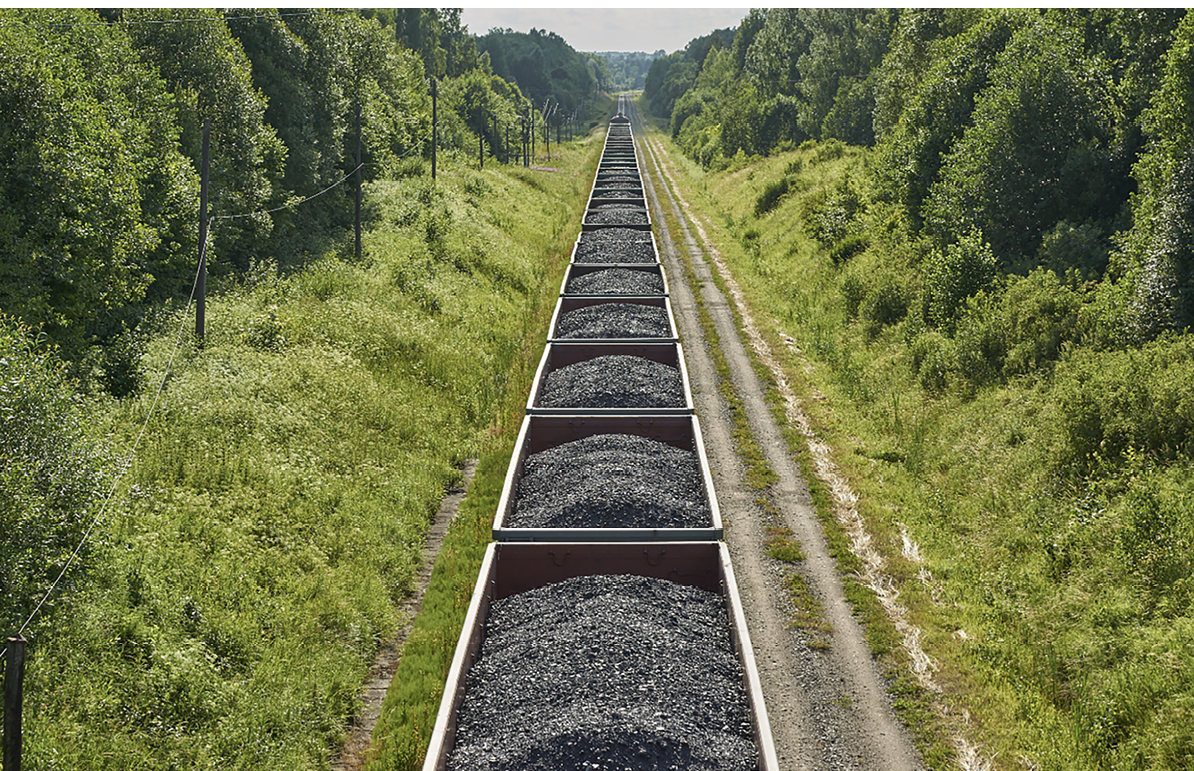
Let’s face it, there’s no way to sugar-coat the truth: mining is hard work. What’s more, the logistics of moving those resources have grown more and more complex as regulations, environmental considerations and evolving technology change the game every day.
NAM recently sat down with someone well acquainted with that reality: Deswik’s Jon Jensen. To look at the mining industry from a miner’s perspective is one (very interesting) angle, but to examine it from someone who has long been involved with its transport and travel from mine to port to customer is a very different and insightful facet of the industry as we know it today.
“For years, the process of mining coal has been focused first and foremost on the mine itself – which isn’t necessarily a bad thing if it’s not the only thing and if it doesn’t just stay there within the mine,” said Jensen.
He likened it, and our understanding of the grand scheme, to the children’s favorite, The Whisper Game. As Jensen explained it, the basic premise was to gather in a circle, and the first player would start with a message and then whisper it into the ear of the next person in the circle, and so on around the circle until the last player received the message and would share it with the entire group. What always happened to that message when it got to the end of the circle? It was always completely altered and different from what the original was.
“Often it was hilarious to hear what came out of that last player’s mouth, [yet] sometimes it wasn’t, as the message was so far off script, it had little to do with the original message and its intent,” he noted.
That said, Jensen explained that the same idea can be applied to the industry. Mining coal is hard work, and it’s challenging and difficult – with labor, equipment, complex geological challenges and regulations abound. However, do we make it harder by not optimizing the entire process? Are there lessons to be learned from the Whisper Game that would apply to the adult world we live and operate in with coal?
Jensen said, unequivocally, yes. What came out of this discussion was both insightful and paradigm-changing, and it may be something others can benefit from.
NAM: You’ve worked for nearly a quarter of a century in logistics, mostly in North America and also in Australia. What’s one of your most impactful lessons learned?
Jensen: Most of my time in industry has been spent working in high tech solving complex problems for operations. I’m somewhat ashamed to say, however, that we always seemed to focus within our own small vertical pillar and rarely, if ever, looked at the entire process of getting the logistics problems solved and optimized. Working only on improving one link of the supply chain was a lot like playing the Whisper Game as a child – you could have the best plan (story) known to mankind to begin with – but if your partners down the line (around the circle) weren’t involved and also operating on that same plan, then you were almost guaranteed excess costs and delays, no matter what part of supply chain you operated in (mine, rail, maintenance or port).
With respect to the coal mining industry, what thoughts or suggestions specifically would you suggest to positively impact throughput and bottom-line efficiency/profitability?
For the mining industry, one word: optimization – but with two different focus areas:
1. Optimization of your mining process. Much of mining, other than coal, has been doing this for years. Gold, copper, potash, or iron ore. However, in coal mining, there’s been a bit of a lag in adoption. Having a mine plan based on solid geographical data and planning can make a huge difference in your profitability for your mine. Specifically, I’d recommend the following steps (again, help here is specific to the mine).
2. Optimization of your logistic plan. And here’s the paradigm shift: including your logistics transportation partners in formatting a plan that includes all the players, including the mine, the rail, the equipment providers and the port/plant. Maintenance for each player is part of this plan, and – I’ll say it again – this plan must be optimized to maximize performance and create the best plan possible. Simulation is great, but without optimization (modelling all the rules and constraints of our network and using complex linear mathematics to find the statistically best decisions to maximize margin), it will come short of producing the optimal result with optimal profit potential for your company.
This all sounds great, but are there real-world examples and, more importantly, real-world results you can share where this has happened?
Absolutely! There are numerous case studies and white papers I can share with you and readers if they’d like more information. In a nutshell, however, here’s some quick hit facts:
1. For coal mine planning with optimization software, we’ve seen the following happen in numerous mines around the world:
- Mining – 15% increase in NPV by making better block sequencing and grade-driven decisions
- Stockpile and blending – 6% increase in profit margins by timing stockpile movement for better blending outcomes
- Refining and processing – 9% refining and processing improvements by selecting better processing and configuration options
- Reducing planning effort by 10x manual efforts
2. When you expand your focus and include the logistics supply chain in planning, results have been spectacular. Here are some data points:
1 Logistics – 12% increase in profit margins by better aligning rail schedules with vessel departures (this is huge!)
- Rail – 10-15% increase in velocity/throughput. Assets are sweated and in instances when unneeded, removed from inventory, allowing train consists turn quickly, rail congestion is minimized
- Crewing – 50% reductions in crew costs for overtime, extra- board pay and associated lodging/transportation cost
- Port and vessel operations – 20% reduction in demurrage by reducing vessel turn times
- Maintenance – 15% maintenance savings when maintenance is planned and communicated as a part of the overall logistics plan (reducing unplanned outages, delays and costs)
- Marketing/revenue – 10% increase by entering better contracts with customers based on supply/grade

It sounds like coal logistics is much more than a child’s game, in your opinion?
Donna, that’s for sure! It took me most of my career to begin to realize the huge potential that is out there if we stop playing the Whisper Game and start working collectively to improve coal logistics.