
In an industry where uptime is critical and capital investment is high, mining companies are increasingly turning to equipment rebuilds as a strategic alternative to replacement, offering a pathway to enhance asset life and performance, optimize operating and capital costs, and improve sustainability.
by Jonathan Rowland
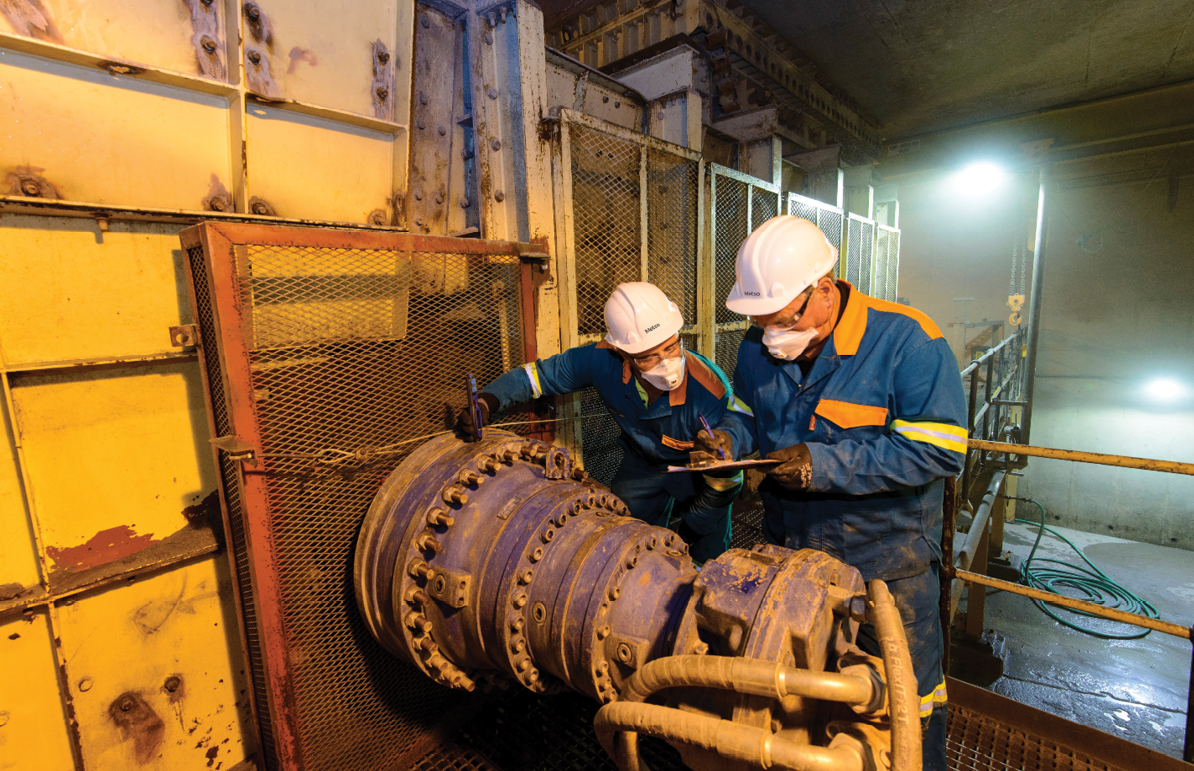
Mining’s punishing workloads and extreme environments place significant strain on equipment. Rebuilds offer a route to restoring this equipment to its original performance specifications, mechanically and structurally, extending the service life while minimizing cost, downtime, and environmental impact. They can also be an opportunity to upgrade equipment with the latest technologies and engineering improvements.
As Dan Harvey, senior manager of Product Support for Komatsu’s surface loading products, explained, “the goal of any rebuild is to extend service life by renewing equipment and components to like-new condition in terms of OEM tolerances, specifications, and appearance.” This is particularly critical in mining, where machinery is exposed to abrasive materials, heavy loads, and continuous operation.
“A rebuild is not just a repair; it’s a strategic investment in asset renewal,” said Eric Hubbard, operations manager at AMAC Company. “Customers should expect a professional, transparent, and value-driven experience where performance is restored, reliability is enhanced, and long-term operational gains are secured.”
Rebuilds should be a “viable option compared to purchasing a new machine,” said a spokesperson for Caterpillar. “By restoring the machine to like-new condition, rebuilds deliver equipment with the latest technology updates and engineering enhancements. The rebuilt machine is capable of providing the equivalent operating hours, reliability, productivity, and safety of a new machine.”
THE REBUILD PROCESS
Rebuilds follow a structured, multi-phase process that ensures technical integrity and operational readiness. The physical rebuild process starts “with a detailed inspection and diagnostics to evaluate component wear, structural integrity, and system performance,” explained Hubbard. Based on this assessment, the rebuild team will identify what can be refurbished, what must be replaced, and what upgrades may be feasible. This information will be collated into an updated rebuild plan and shared with the customer, including estimated timeline, parts needed, and cost. “Transparency, communication, and technical accuracy are key from the beginning of the process,” said the Caterpillar spokesperson.
Once the scope and timing have been agreed, rebuilds generally follow similar steps:
- Disassembly and cleaning, followed by an evaluation of
all critical components against OEM specifications. “Each component is inspected, with salvageable parts cleaned and tagged,” noted Andrew Pellissier, Reno Service Center manager at FLS. - Replacement, refurbish, or upgrade: worn parts are replaced or refurbished; where possible, upgrades to the materials, coatings, or design enhancements are incorporated.
- Reassembly and testing. The unit is put back together and undergoes comprehensive testing, ideally under load, to validate performance. Final inspections ensure the machine meets safety standards, reliability expectations, and OEM benchmarks.
- Final reporting and delivery. The process concludes – as
it began – with comprehensive and transparent communication with the customer, including before-and- after data, replaced components, and test results. The
equipment is then delivered back to the site for reintegration into the plant.
ARE REBUILDS ONLY FOR EQUIPMENT REACHING THE END OF ITS LIFE?
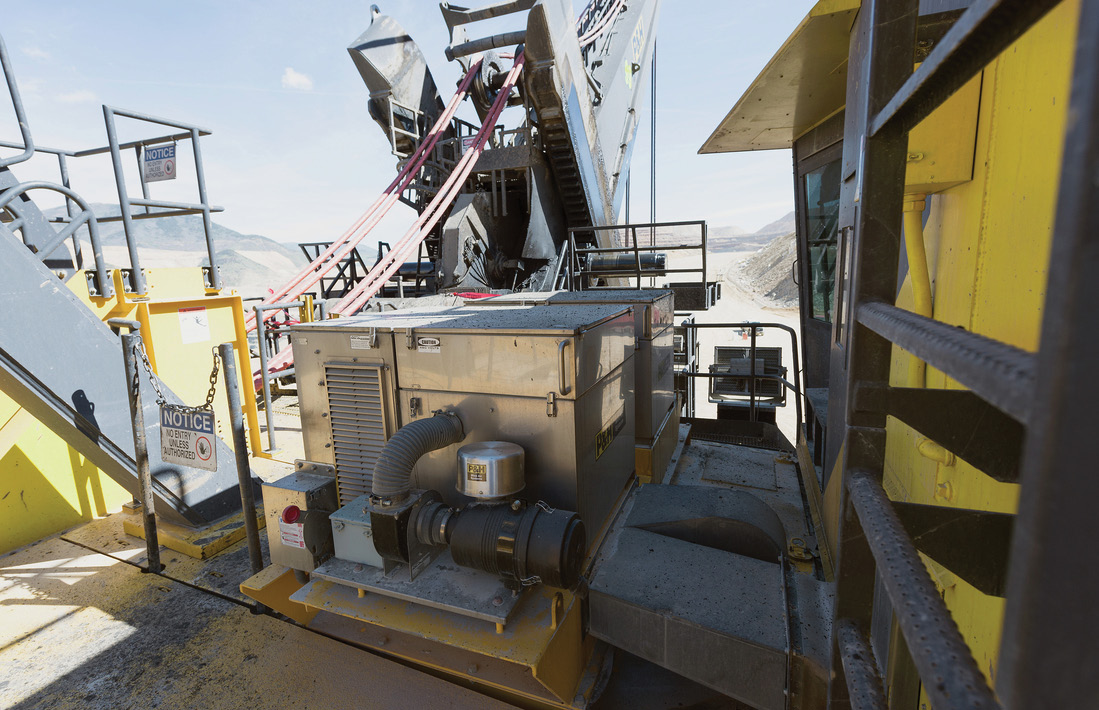
There is “significant value rebuilding machines mid-service as part of a proactive asset management strategy,” said Metso’s Anthony Giacomo, director, Product Management and Sales Support – Repairs. Benefits mentioned by our experts include preventing failure, optimizing total cost of ownership, managing capital expenditure, lowering operating costs, and enhancing safety and performance.
Rather than waiting for “catastrophic breakdowns, which often lead to expensive downtime and lost production, a well-timed rebuild can pre-empt failures in high-wear systems,” said AMAC’s Hubbard. By “proactively scheduling rebuilds,” mine operators can “significantly reduce the risk of unexpected and costly failures,” agreed Metso’s Giacomo. “Taking a preventative approach allows for better planning, minimizes downtime, and ultimately protects the investment in critical assets,” the Metso expert concluded.
A “well-executed rebuild” can restore greater than 90% of the machine’s original performance for 60-85% or less of the new equipment cost, depending on the rebuild option, added the Caterpillar spokesperson. This “improves the asset value over its lifecycle, boosts return on investment, and lowers operating costs,” the Irving, Texas-based OEM continued. “Rebuilt components can perform like-new at a lower cost. Fuel efficiency, machine availability, and reduced wear can all lead to operating cost savings.”
Rebuilds also support lean capital budget management, as AMAC’s Hubbard mentioned. “Instead of allocating capital to new equipment, midlife rebuilds allow companies to leverage existing assets, keeping budgets lean while maintaining productivity.”
“Assuming a component is not deemed beyond economic repair, the majority of components will realize a cost saving to the customer if rebuilt,” noted Komatsu’s Harvey. In addition, rebuilds allow digital technology integration, performance upgrades, and design improvements that may not have been available at the time of original purchase. These can boost performance and assist with proactive maintenance and predictive equipment analysis.
Last – but by no means least – rebuilding equipment can deliver safety and sustainability benefits. Worn parts and outdated systems can lead to risks. Rebuilt equipment “reduces the risk posed by these aging, unpredictable components, ensuring current safety standards are met,” said Kenneth McKinzie, Winfield Service Center manager at FLS, who also noted that rebuilds “reduce raw material usage and scrap waste, helping customers advance toward their ESG goals.”
AMAC’s Hubbard concluded by noting that midlife rebuilds reflect a “proactive, data-driven philosophy that prioritizes performance and reliability over simple run-to-failure models. They thus make the most sense for high-utilization machines operating daily at near full capacity, critical-path equipment where unexpected downtime would cripple production, assets with high replacement costs, and when fleet standardization is an important strategic goal.
WHEN TO REBUILD: IT’S ALL ABOUT THE DATA
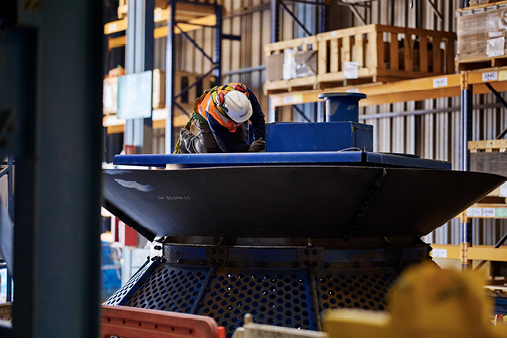
Determining the optimal timing for an equipment rebuild is a strategic decision rooted in engineering analysis, lifecycle modeling, and predictive diagnostics. This ideally involves mining companies moving beyond reactive maintenance to adopt a data-driven approach that integrates inspections, performance metrics, and OEM guidance to optimize their strategy.
“Mining companies can only make informed decisions about rebuilds when they have a clear understanding of equipment condition,” explained Jesse Leach, senior product manager – Feeders, at Metso. Regular inspections and diagnostics – such as vibration analysis, oil sampling, and wear measurements – form the foundation of this strategy. As AMAC’s Hubbard noted: “Inspections are the frontline assessments that catch wear and fatigue early, before it becomes catastrophic or cost-prohibitive to fix.”
Leach’s colleague at Metso, Brian Gialluco, product manager – Grinding Field Services and Repair, emphasized the role of reliability-centered maintenance (RCM), which uses Failure Modes, Effects, and Criticality Analysis (FMECA) to evaluate risk and prioritize rebuilds based on likelihood and impact. “A rebuild becomes beneficial when the condition of critical components deteriorates to the point where performance, safety, or reliability is at risk,” he noted. Lifecycle thresholds – such as operating hours or throughput – also guide the timing of the rebuild. “Most heavy mining equipment is designed with defined lifecycle thresholds,” added AMAC’s Hubbard. “Midlife rebuilds often occur at 50-60% of expected life, while end-of-life rebuilds may be evaluated at 80-90%.”
In addition to the physical state of the equipment, the timing of rebuilds has broader implications for productivity, safety, and cost-efficiency. “We work closely with mine maintenance teams to time rebuilds with outages or turnarounds,” said FLS’s Andrew Pellissier. “Aligning rebuilds with planned shutdowns minimizes disruption and ensures resource availability.”
Ultimately, rebuild decisions should be based on a combination of structural integrity, cost modeling, and operational risk. As Komatsu’s Harvey advised, “timing is everything. Knowing the machines, the issues, and potential for catastrophic failures will determine whether work is done most cost-effectively.”
REBUILD CHALLENGES
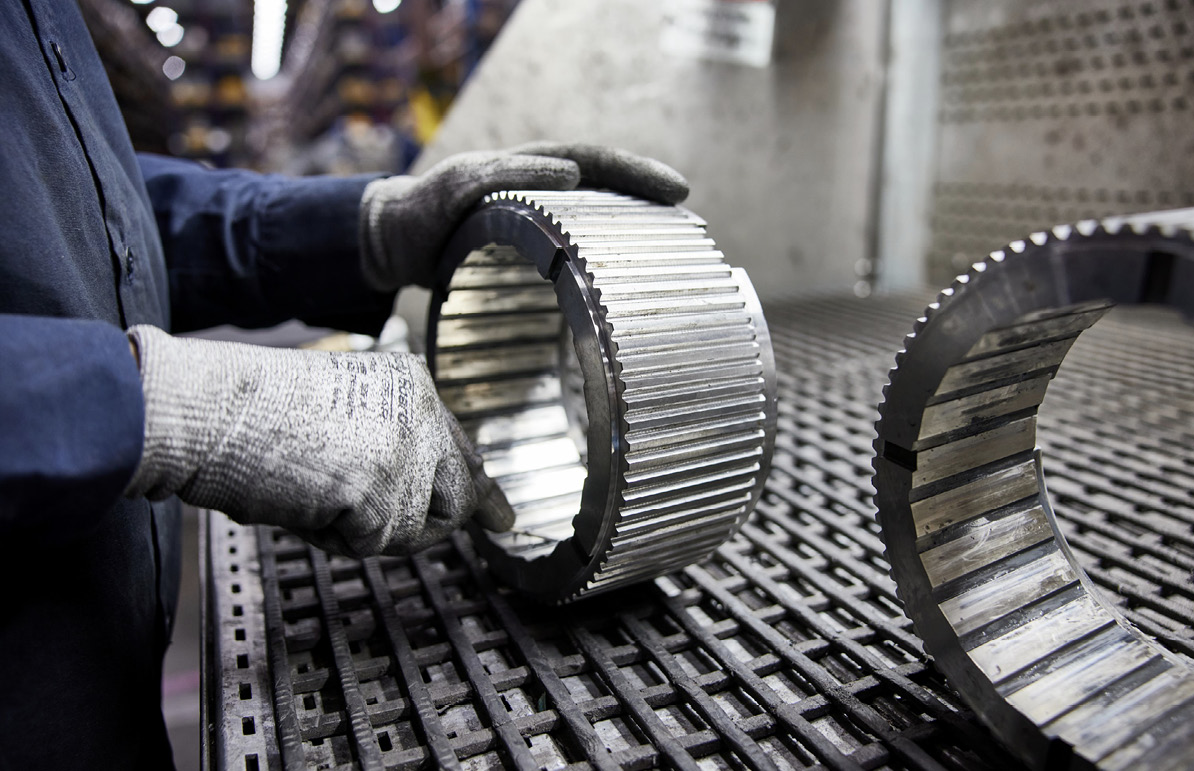
According to Harvey, there are “myriad challenges to rebuilding equipment.” These include the following:
- Parts availability. Many of the parts required for an overhaul (gearing, bearings, electronics, transmissions, main motors) have long lead times, so planning well in advance is a key requirement. Part obsolescence is another factor in parts
availability that cannot be ignored and plays into the viability of any aging machine. - Manpower. The best contractors and subcontractors are nearly always in heavy demand and backlogged. Booking well ahead of a project is a key requirement.
- Scope creep. Several factors can lead to scope creep and an extended duration of the rebuild, resulting in lost revenue/production. Reasons can include insufficient inspections, parts planning issues, and resource allocation to the project.
- Expertise/knowledge gap. A growing challenge is expertise. The industry’s turnover is challenged by the retirement of many old hands, which translates into tighter resource availability for overhauls. “Many mines and OEMs are battling this,” concluded Harvey.
RECOMMISSIONING: ENSURING OPERATIONAL INTEGRITY POST-REBUILD
Recommissioning is the final and critical phase of the equipment rebuild lifecycle. It ensures that rebuilt machinery is safely, efficiently, and reliably reintegrated into mining operations, delivering the expected performance from day one, with our experts all noting the importance of onsite support. “Once the equipment is rebuilt, recommissioning is crucial,” emphasized FLS’s McKinzie. “Our service teams – often the same ones who performed the rebuild – can be deployed onsite across North America to handle alignment and fit checks, functional testing, calibration, and operator training.”
Caterpillar’s spokesperson also noted the importance of a structured recommissioning protocol. “Our dealers follow detailed machine protocols to ensure all systems – hydraulic, mechanical, electrical, and electronic – are tested and optimized before deployment.” This will often include refresher training for operators and maintenance staff to “ensure the operators are up to speed on the functions and capability of the equipment,” as AMAC’s Hubbard noted, as well as post-deployment monitoring and diagnostics to ensure mechanical integrity and system readiness, as well as catching any issues early.
A GROWING DEMAND
Demand for rebuilds is rising due to aging fleets, capital constraints, and ESG pressures. “Instead of replacing equipment, many operators are turning to midlife or end-of-life rebuilds to boost reliability and minimize environmental impact,” said Metso’s Giacomo. This is particularly true as mines bid to extend the operational life of their fleets, as digital monitoring improves condition-based rebuild planning, and as sustainability metrics play a larger role in decision-making.
“Equipment backlogs, capital constraints, and decarbonization pressures are pushing mines to get more from existing assets,” said FLS’ McKinzie and Pellisier, who noted a move away from one-off projects toward more structured rebuild programs, such as rebuild + upgrade combinations, lifecycle-based contracting, and fleet-wide condition assessments. “As more mines formalize their ESG targets, we believe rebuilds will become a strategic pillar, not just for equipment lifecycle management, but for reducing Scope 3 emissions and improving circularity across the supply chain.”
“We’re also seeing increased interest in planned, lifecycle-based rebuild programs, where customers integrate rebuilds into their long-term maintenance strategies,” agreed Metso’s experts. “This proactive approach helps reduce unplanned downtime, optimize budgeting, and unlock performance improvements over time.”
The mining industry is thus increasingly recognizing the value of rebuilds as a strategy. As AMAC’s Hubbard concluded, “equipment rebuilds are transitioning from being a reactive fix to a strategic lever for operational efficiency, cost control, and asset sustainability. Demand will continue to grow as mines seek to balance performance with budget constraints, environmental goals, and supply chain realities.”