Following the ore from face to feed

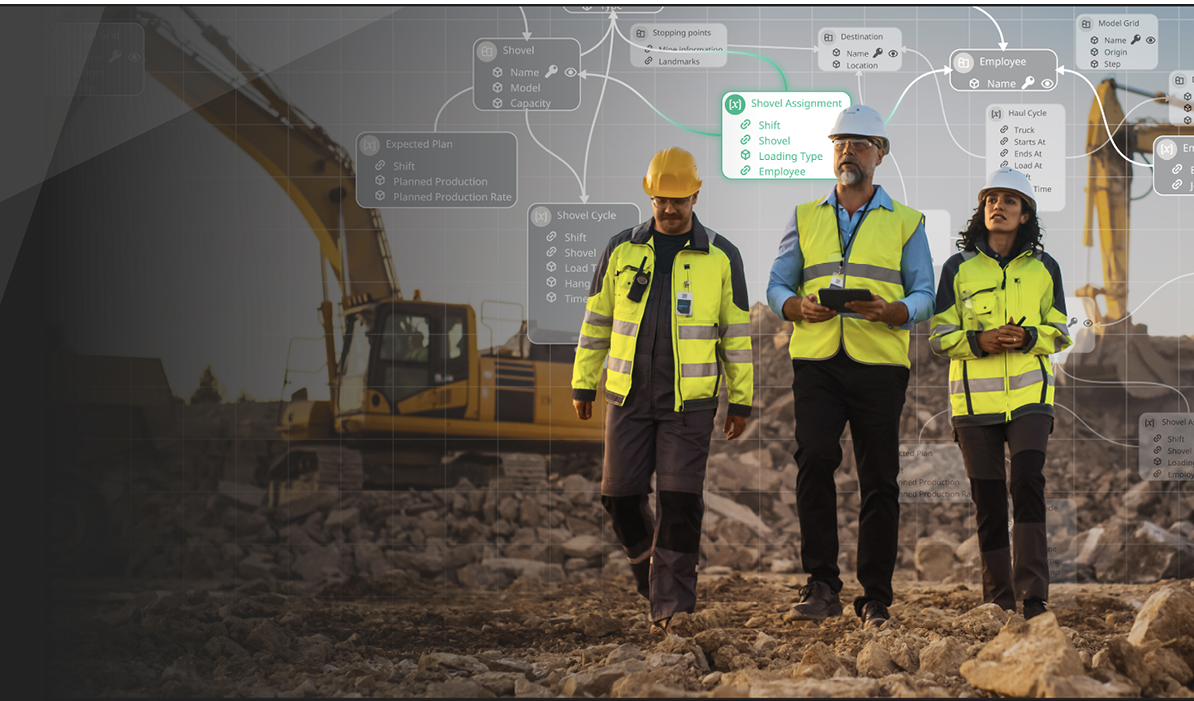
Effective material tracking connects operational data across the value chain, giving teams a shared picture from extraction through to processing. Photo: Eclipse Data Innovations

Mining operations invest heavily in understanding their orebodies and planning extraction,
yet value still leaks at multiple points between the resource model and the processing plant. 
Where does it go? by Jonathan Rowland Geological models, mine plans, expected feed characteristics: mining is a multi-billion-dollar business built on a series of presumptions. But reality is not one to be held to presumptions.…

Read More

No minute unsupported: Developments in underground ground control

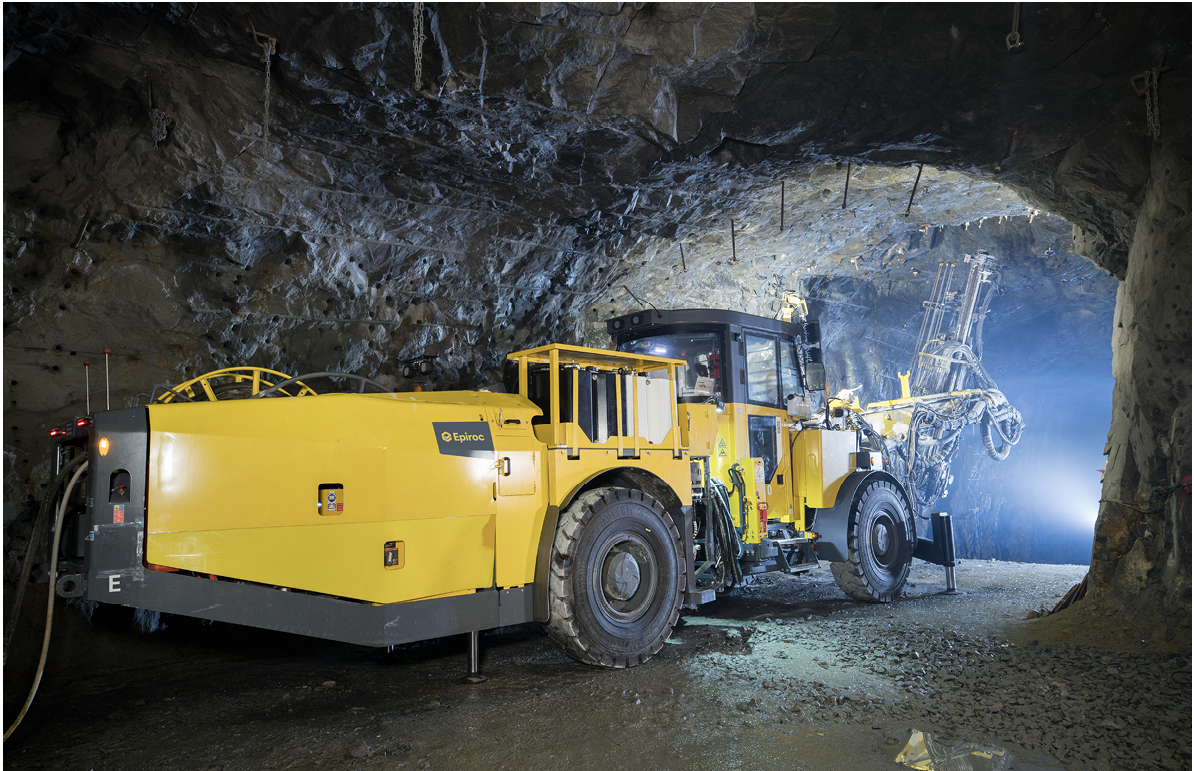
Removing people from under or near unsupported ground is a key advantage of pumpable resins, improving operational safety. Not pictured: Epiroc Boltec E10 with pumpable resin option.

As underground operations push deeper into high-stress ground conditions, integrating smart support systems, mechanization, and real-time modeling is redefining what ground control can deliver. by Jonathan Rowland As underground operations push deeper, “mining teams are confronting significantly elevated stress environments that amplify seismic risk and deformation demands,” Sandvik’s Daria Fuerstenau told North American Mining. At the same time, geology is…

Read More

Defending The Belt, Its Load, And Your Bottom Line

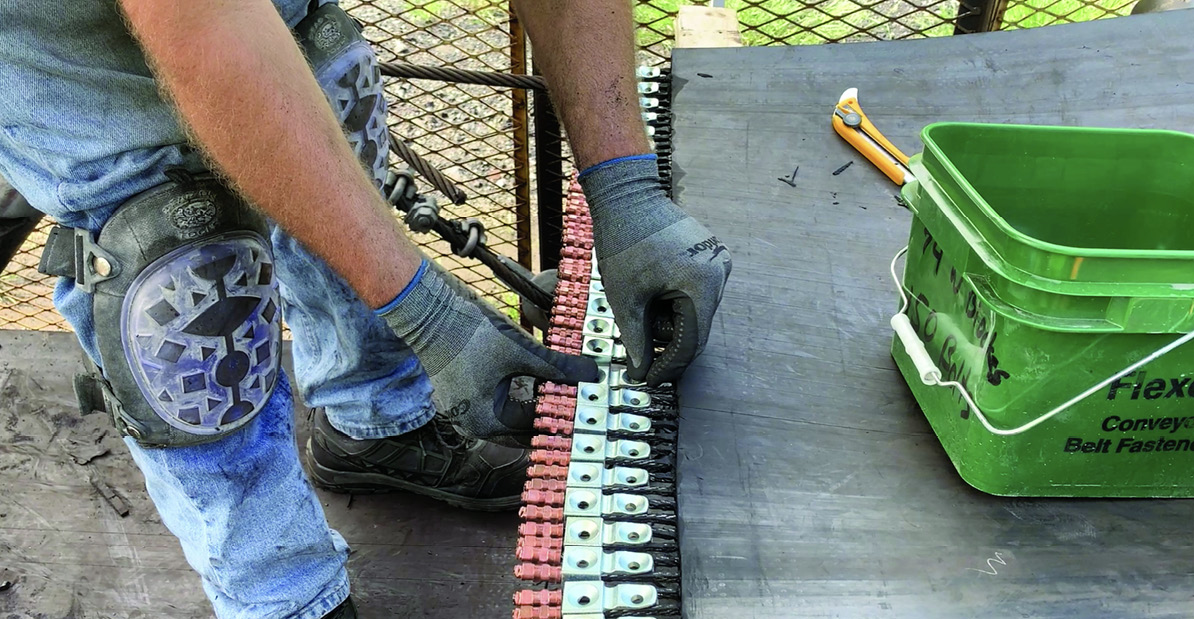
Mechanical belt fastener installation. Photo: Flexco

Transfer points are where wear, impact, spillage, and carryback all converge. Getting them right is essential, but that can be more complicated than most operations realize. by Jonathan Rowland Imagine we are standing at a transfer point. It is here that the full complexity of bulk materials handling asserts itself. Impact loads stress the belt. Turbulent material streams push against…

Read More

Turn the fans down exploring ventilation on demand

Ventilation on demand can significantly reduce energy costs for mine ventilation. Photo: Strata Worldwide

Ventilation-on-demand systems can deliver energy savings exceeding 20% in underground mines, but success demands more than simply bolting on a VFD. by Jonathan Rowland Out of sight, and out of mind: at many mines, fans run at maximum capacity around the clock, regardless of actual demand. The consequences of this approach are costly: excessive energy consumption, equipment wear, and dust…

Read More

How wire ropes shape shovel performance

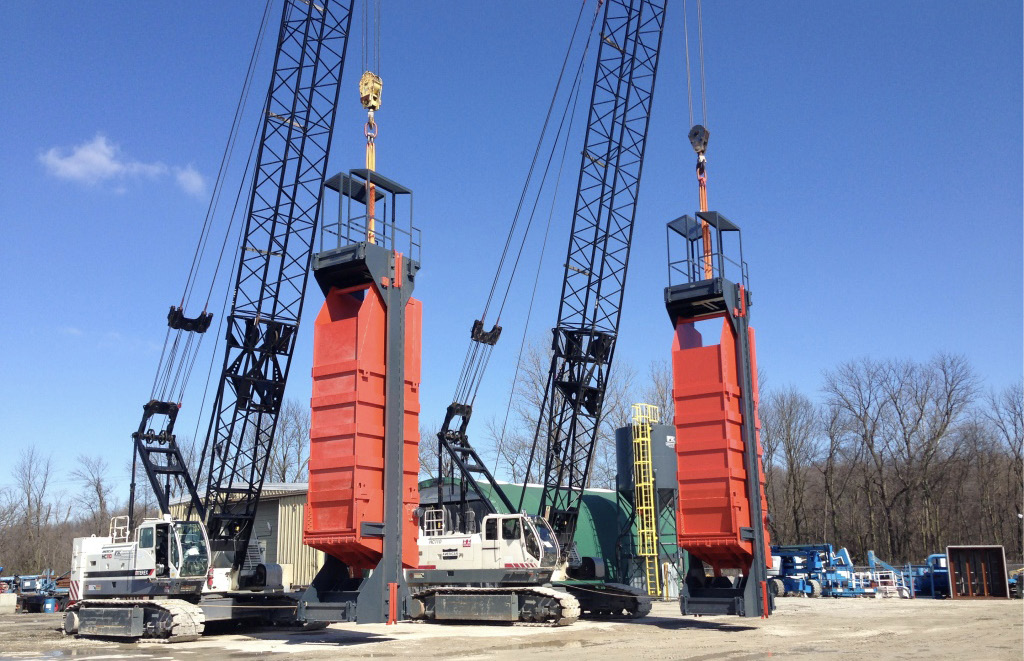
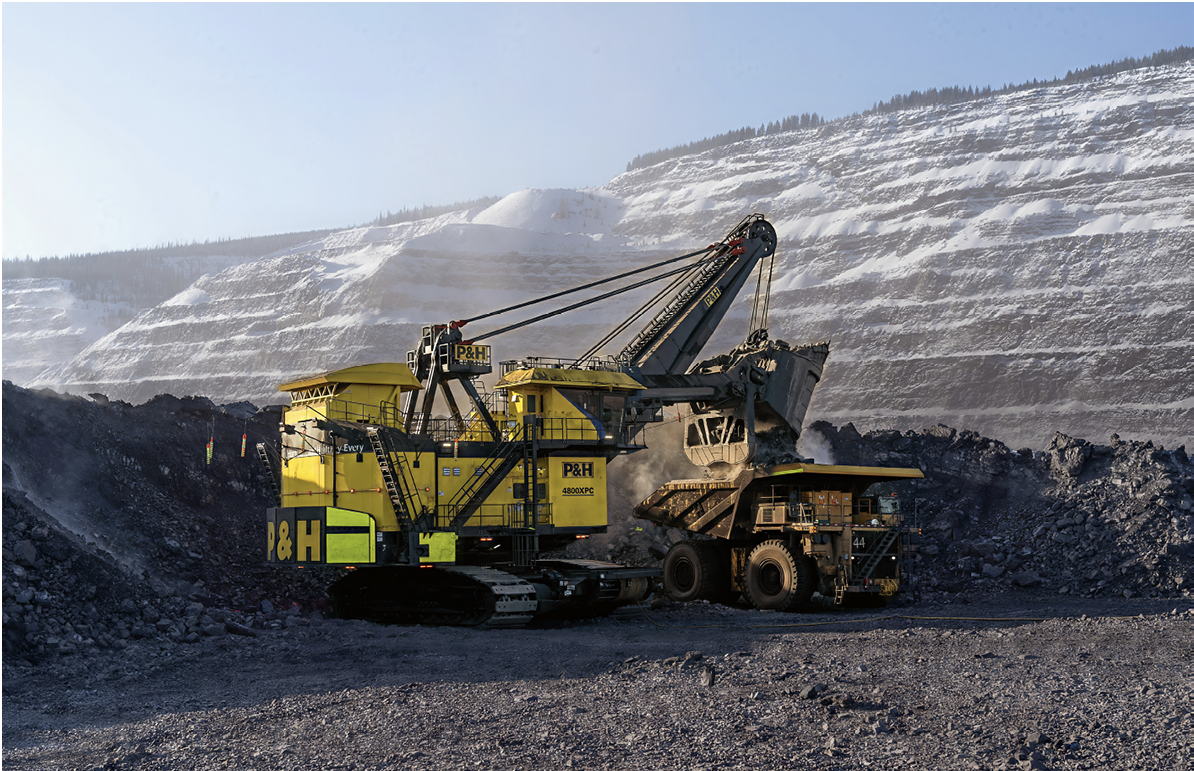
2603_Wire_ropes_and_shovel_performance_Image_1_4800XPC_in_Canada

Wire rope engineering balances competing demands for performance, durability, and cost while revealing broader issues affecting machine health. by Jonathan Rowland Lift. Lower. Lift. Lower. The life of the wire ropes that give electric rope shovels their name might seem an exercise in simplicity. In reality, these are highly engineered components that do far more than meets the casual eye:…

Read More

Making tailings and water decisions count

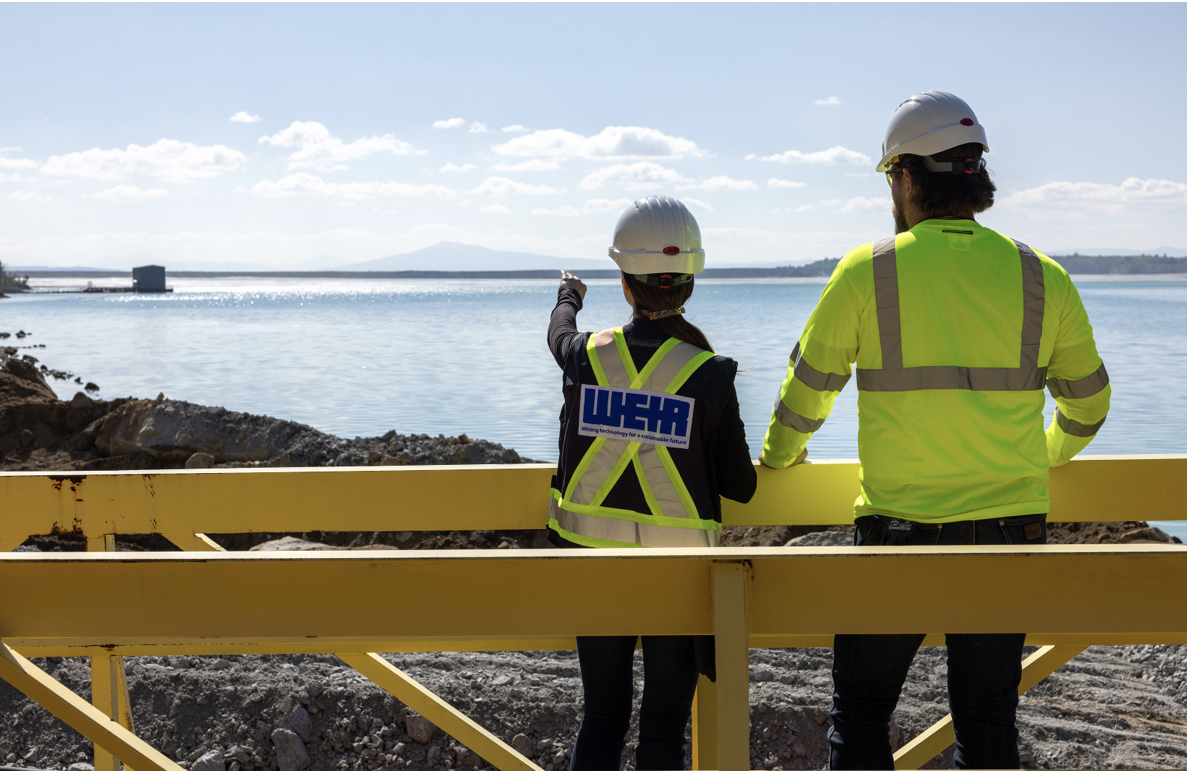
Recovering tailings water can significantly reduce both environmental impacts and freshwater costs, but it is not without its challenges. Pictured: Weir tailings experts at a phosphate mine in Finland.

Tailings water management is a critical challenge for mining operations, though the precise nature of that challenge varies dramatically from one operation to the next. by Jonathan Rowland Tailings dams account for the most water losses at most mining operations. Recovering that water can significantly reduce both environmental impacts and freshwater costs. Yet the feasibility of tailings water recovery depends…

Read More

Crushing the wear equation

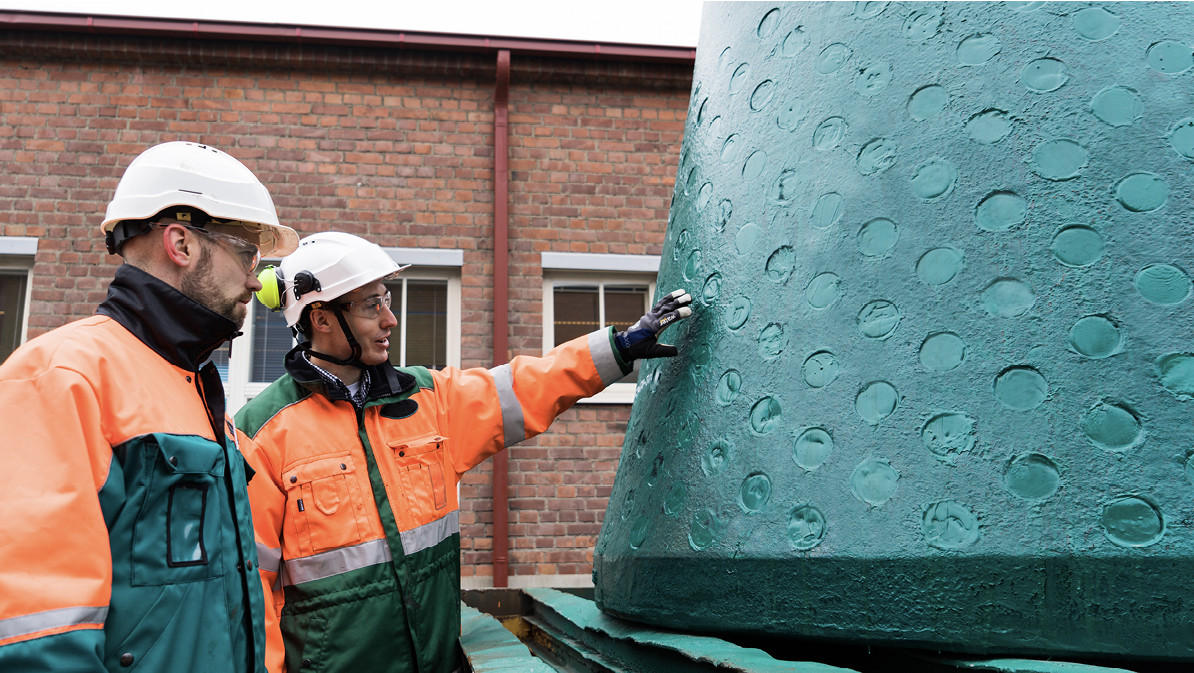
Metso experts with an MX primary gyratory mantle.

Advanced materials, smarter monitoring, and tighter supplier partnerships are transforming wear management in modern crushing operations. by Jonathan Rowland Wear is an unavoidable reality. As WearKraft’s Troy Hartman puts it, “by the simple nature of what we do in our industry, wear is inevitable.” It is not, however, unmanageable. Indeed, rising production targets and tightening maintenance resources make effective wear…

Read More

A new longwall standard ahead?

Automated longwall control room at a West Virginian coal mine

Komatsu engineer Colten Leviere spoke to NAM’s Jonathan Rowland and Donna Schmidt about the transition of ‘intelligent’ longwall mining as automation makes its way into the technology. While the number of longwall panels in operation in North America sits at its lowest level in some time, those that remain are producing at the highest average output levels ever recorded. Longwall…

Read More

Beyond containment: rethinking the role of slurry pump seals

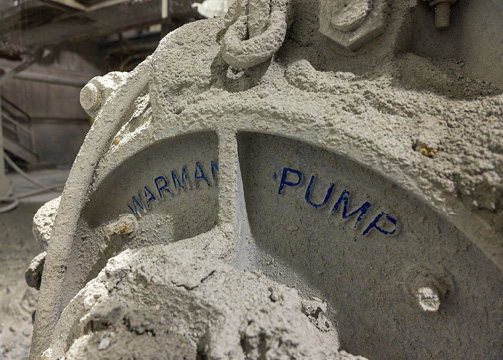
Seal failures often represent symptoms rather than root causes. Taking a system-wide approach delivers

Slurry pump shaft seals play a critical part in improving pump uptime, reducing water consumption, and lowering operating costs. by Jonathan Rowland Slurry pumps power the circulatory system that keeps mineral processing plants running. Many factors go into ensuring the efficiency and reliability of these essential pieces of equipment. The shaft seal may play a supporting role relative to other…

Read More

Going direct: Gearless drive technology in mining conveyors

A 2.5 m dia. drive pulley for the Chuquicamata project. The pulley, both pulley bearings, both brake discs, and the membrane coupling hub are visible. Photo: TAKRAF Group

From underground coal mines in 1980s Germany to some of the world’s highest-altitude conveyor systems in the deserts of South America today, gearless drive technology is transforming how mining operations move material. by Jonathan Rowland “Gearless drive systems were first used in various industrial applications long before they were considered a viable alternative to conventional conveyor drive concepts with gearboxes,”…

Read More