
From the pit to control room, how video analytics is streamlining mining operations in North America.
by Gary Ng
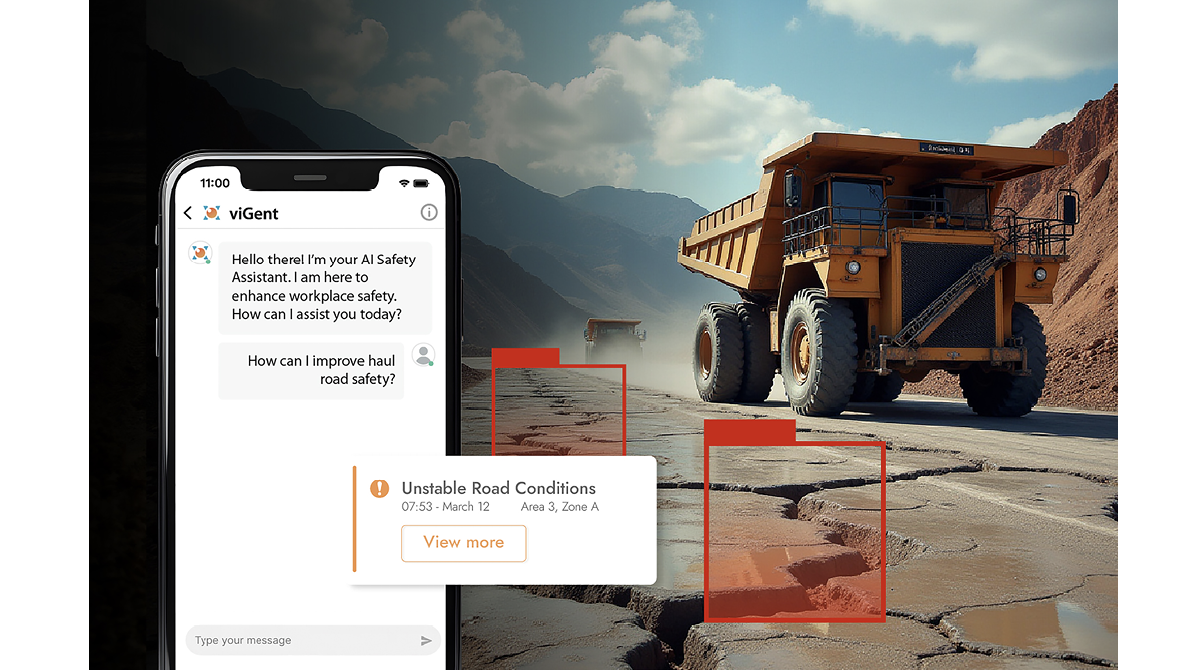
There was a time when mining oversight meant standing at the edge of a pit with a clipboard, hoping the dust did not hide the data. But today? The pit watches itself and reports in real-time. What previously relied on radios, routine rounds, and retrospective reports is being shaped by something far more immediate: sight. Not just human vision, but video streams that think.
Across North America, mining operations are entering an era where visual data helps decide what should happen next. From autonomous alerts on overcrowded haul roads to real-time insights in the control room, video analytics are stepping in where spreadsheets and surveillance once fell short. This shift is about providing visibility where it matters the most: in the pit, on the haul road, and inside the control room. In a sector where every second counts and every decision has far-reaching consequences, seeing clearly is the first step to operating smartly.
THE CHANGING FACE OF MINING OPERATIONS
In 2024, spending on digitalization in the region reached approximately $2.3 billion, and is projected to almost double to $4.85 billion by 2033. Meanwhile, the region’s video surveillance and analytics segment alone is expected to grow by 21.7% annually. What does this change mean for mining? It means continuous, automated oversight is replacing periodic visual inspections. From tracking vehicle flow and pit access in real-time to identifying unsafe behavior before it escalates, video analytics are becoming part of the operational fabric at mining sites. This shift reduces human error and amplifies operational awareness, transforming every camera into a vigilant sentinel overseeing operations 24/7.
The result? A mining operation where downtime is minimized, near-misses are caught in real-time, and safety protocols are enforced through data.
NO LONGER A ‘NICE TO HAVE’
Today’s mine sites are being pushed to observe more, know more, and respond quicker. A momentary lapse in attention, such as a missed stride, an unseen vehicle, or a blind spot in the pit, can cause delays, harm, or even disaster. That is why video analytics are becoming central to how modern mines stay alert.
Modern AI-based video analytics systems do far more than capture; they comprehend. They interpret real-time visual data, recognize anomalies in behavior, and alert the moment something goes awry. In real-world terms, mines can now watch personnel crossing into exclusion zones, detect traffic congestion in critical areas, or flag vehicles operating outside standard behavior patterns – all without waiting for human intervention. In control rooms overseeing vast and critical environments, this added layer of context means they can react not only more quickly, but more accurately. Even instances of safety non-compliance, such as improper or no PPE use or bypassing safety rails, can be detected automatically, providing an opportunity for supervisors to intervene immediately.
Although video analytics is no substitute for human oversight, it does something that humans cannot: have complete watchfulness in every nook, every moment of the day. Thus, video analytics multiply human oversight with a system that is consistent, tireless, and quietly embedded into daily workflows, reshaping how modern mines stay ahead of risk.
At many North American mines, AI-based video analytics platforms are revealing operational blind spots that experienced supervisors may overlook. Video data used to be something you looked back on. Now it’s something that helps you act in the moment.
WHAT THE FUTURE HOLDS: DATA-DRIVEN OPERATIONS
The next frontier for mining is not just deeper underground; it is deeper into data. Real-time video analytics is now working in tandem with other data streams – from fleet telemetry and weather sensors to workforce tracking and maintenance systems. Data is breaking out from its traditional siloes: a real-time alert about an operator in a danger zone can now be instantly cross-checked against equipment records, environmental data, and past trends, allowing responses that are not only faster but sharper and more context-sensitive.
This type of data integration is facilitating quicker, more authoritative decision-making. More significantly, it is setting the foundation for autonomy-ready operations. Not in the ‘fully driverless’ sense just yet, but in systems that adapt, learn, and optimize with minimal human intervention. In this future, frontline teams will evolve with technology: less time chasing incidents, more time improving performance; less guesswork, more foresight. In a sector where conditions can change in seconds, that kind of intelligence could be the most valuable resource of all.
About the author: Gary Ng is CEO and co-founder of viAct. He has 10+ years of experience in implementing technological innovations in the construction industry. In addition to his role at viAct, he is a visiting faculty professional at The Hong Kong Polytechnic University and an active public speaker and preacher of AI-driven sustainability in workplaces.