
How total conveyance and in-region manufacturing are simplifying product procurement, transportation and support
by Sven Hlywiak
The industrial sector is continually squeezed by unpredictable equipment downtimes, rising transportation costs, demand driven by projects in remote locations and various other logistical factors that are seemingly outside of their control. To help offset these challenges, both material handlers and conveying solution providers are looking for ways to simplify product procurement, transportation and support.
One solution is the shift from procuring individual components to fully integrated solutions. The full-service model, called Total Conveyance by Continental’s group sector ContiTech, involves a holistic approach to material handling that combines products, smart services and digital capabilities into a unified system tailored to specific operational environments. It represents an integrated, end-to-end material handling solution, delivering not just conveyor belts, but a full ecosystem of technologies, components, and expertise to support modern material transport needs.
The concept of Total Conveyance centers on simplifying the supply chain for industrial customers. Rather than relying on separate providers for hardware, maintenance, and data tools, a single-source solution can integrate these elements, from system design and installation to predictive maintenance and digital monitoring.
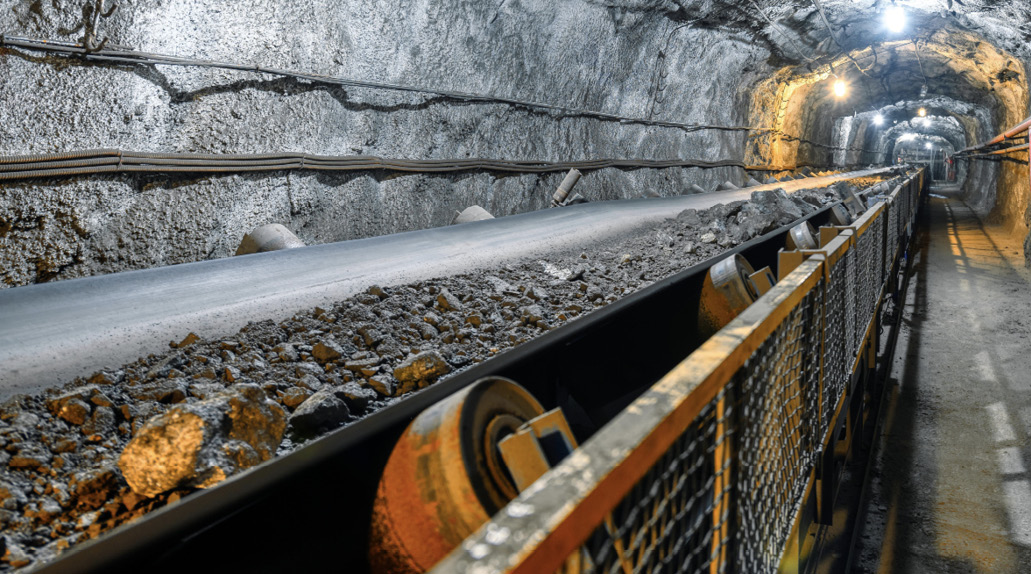
This model is particularly relevant for industries where operational continuity is essential, such as mining, but also in agriculture, logistics, and construction. In these industries, uptime is a non-negotiable and downtime means lost revenue. In sectors like mining or agriculture, where operations are often remote and conditions are harsh, customers are more likely to need both integrated solutions and local support.
Local manufacturing, connected world
In order to deliver these more complete solutions, providers of conveying solutions must start to think differently, and that includes manufacturing in the region and for the region. Manufacturing where the resources are needed most can help ease product procurement, transportation and support challenges.
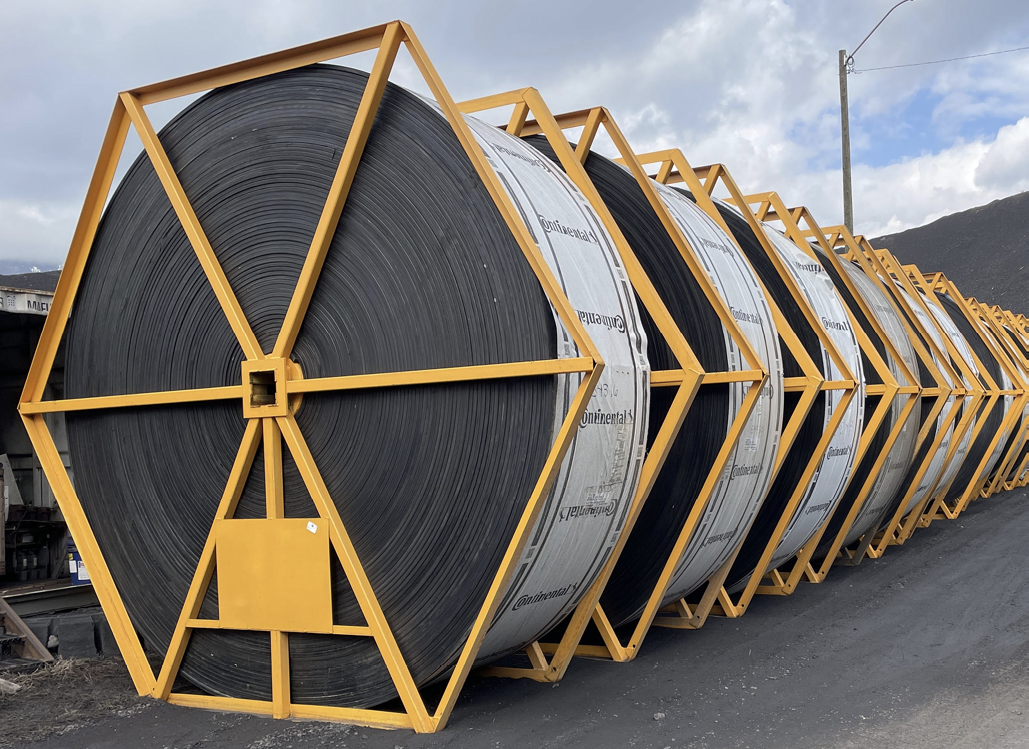
For example, as demand for heavy-duty mining belts in South America continues to grow, Brazil has become a key location for manufacturing heavy-duty steel cord conveyor belts. Seeing the continued need for supplier support located closer to end users, ContiTech recently expanded its Ponta Grossa, Brazil, manufacturing facility to manufacture heavy-duty steel cord belts in one of the regions that needs them the most.
The expansion of the Ponta Grossa plant significantly increases belt production capabilities in South America, doubling – and potentially tripling – the company’s manufacturing capacity. This helps to better serve the area with faster delivery times, localized service, and technology adapted for the terrain and challenges that customers face every day. By being closer to customers, the company can reduce maritime transport and shorten lead times, ensuring faster and more efficient service.
Investments in localized production can help suppliers reduce delivery times and better address terrain-specific challenges, providing solutions that are both regionally adapted and globally informed to help meet the needs of customers in all regions.
Powering progress with total conveyance
Integrated conveying solutions are designed to address multiple challenges simultaneously. These include extending equipment lifespan, reducing unplanned downtime, enabling safer maintenance procedures, and optimizing system efficiency. As industries face increasingly complex logistical and environmental demands, such solutions are being positioned not just as technical upgrades but as strategic infrastructure components.
At its core, total conveyance is about removing friction, literally and figuratively. It’s about delivering performance, reliability and peace of mind in an increasingly complex world of conveying. The need for more holistic conveying solutions continues to grow worldwide, as companies are faced with creating more output with fewer resources, often while also managing difficult supply chain dynamics, price fluctuations and thin margins.
Looking ahead
As industrial demands continue to evolve, a single source supplier for products, systems, and services in material handling systems will likely gain broader adoption. The desire for companies to provide services in the region and for the region will also continue to grow. These shifts in the way the supplier and end user conduct business will help reduce downtime, improve ROI and may alleviate supply chain challenges and delays for industries worldwide, and for those operating in challenging environments, in particular.
About the author: Sven Hlywiak is vice president, Customer Engineered Solutions for Industrial Solutions Americas, ContiTech at Continental. He has over 25 years of experience and a deep passion for the industrial manufacturing industry, and currently leads teams across North and South America.