
How smart sealing technology is advancing U.S. mining efficiency and sustainability, and sealing the future of mineral processing.
by Warren Smith
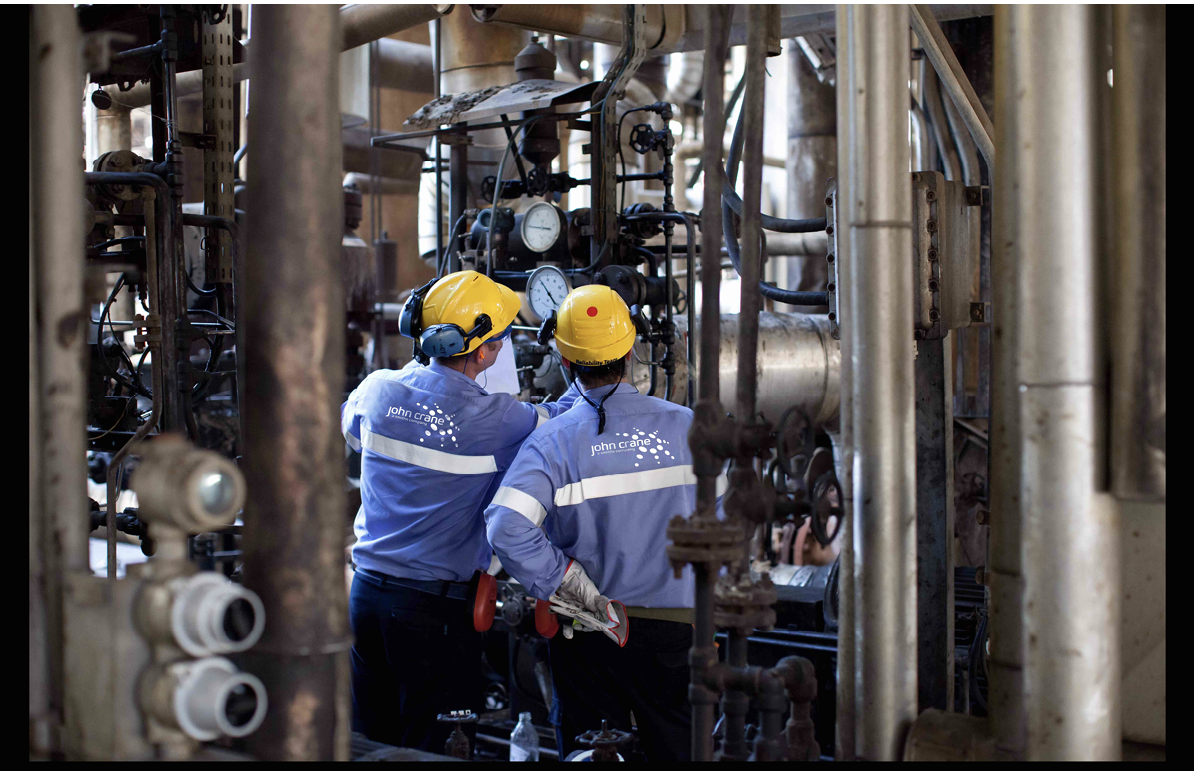
Mining operations worldwide face some of the most punishing environments on Earth. From blistering desert heat to freezing winters and from abrasive, high-solids slurries to corrosive chemicals, equipment is constantly tested. For rotating machinery like slurry pumps, seals are often overlooked, but they are mission-critical.
The challenge: sealing under extreme conditions
Traditional sealing methods, such as gland packing, have been the industry default for decades. While familiar and low-cost upfront, packing systems struggle to meet today’s demands for scale, uptime and sustainability. They are prone to excessive leakage, high shaft wear, and frequent maintenance, all of which contribute to reduced equipment reliability and increased operational costs.
When seals fail, operations can come to a halt. Industry analysis estimates that a single failed seal can stop ore processing for 8 to 24 hours, costing millions in lost productivity. Over the past five years, seal failures worldwide have contributed to an estimated $67 billion in costs, according to data from Accenture. These challenges are systemic and require industry-wide solutions.
Mechanical slurry seals for the toughest conditions
Across the mining sector, operations are increasingly turning to mechanical slurry seals engineered to thrive in the most demanding environments. Technologies such as spiral groove designs, hydrodynamic face features, and diamond-coated surfaces have markedly enhanced both seal longevity and performance under severe conditions.
For example, in Queensland’s Bowen Basin, renowned for its abrasive, high-solids coal slurries and extreme climate, a major mining operation replaced traditional packing with engineered slurry seals paired with a low-pressure water flush. This shift reduced water consumption to just over six liters per day per pump and extended seal life well beyond 12 months. The result: significantly reduced maintenance downtime and lower operating costs.
In Latin America, a gold mining operation upgraded its tailings pump seals from high-maintenance components to robust double mechanical slurry seals. Where equipment previously required daily servicing, the new seals operated continuously for over a year, enabling consistent production while sharply reducing labor demands and spare parts usage.
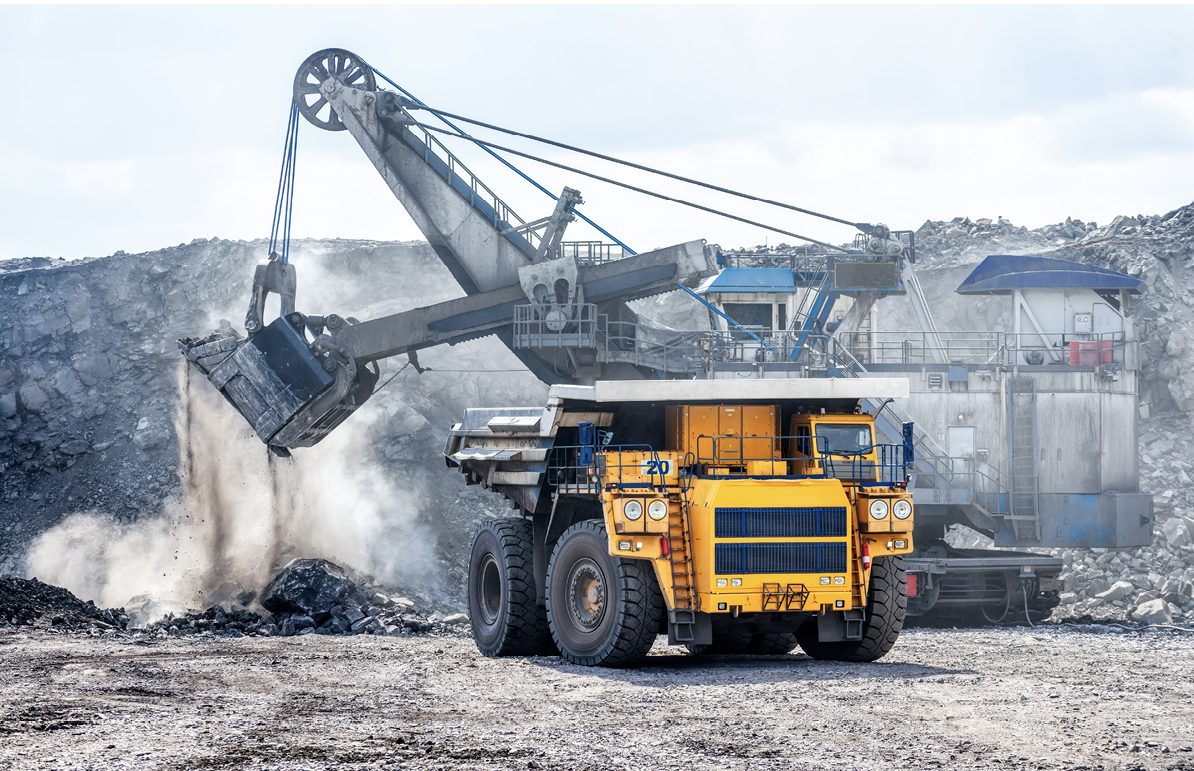
Environmental and operational benefits
The shift to modern mechanical seals also supports important environmental goals. Traditional gland packing can consume up to 120 gallons of flush water per minute per pump. Across a typical mining operation with dozens of pumps, this can mean millions of gallons of water used daily.
Reduced flush and dry mechanical slurry seals drastically cut this water consumption. They also reduce friction on pump shafts, leading to lower energy consumption and a smaller carbon footprint. In mining’s energy-intensive world, even modest efficiency improvements per pump add up across entire fleets.
Digital seals, predictive maintenance
Beyond mechanical improvements, seal manufacturers are embracing digital transformation. Retrofitted IoT sensors on rotating equipment now provide real-time data on pressure, temperature, and vibration. This enables predictive maintenance by allowing operators to detect early signs of seal degradation and take action before failures occur.
Such proactive maintenance reduces unplanned downtime, extends seal life, and improves spare parts management. Leading sealing technology providers have demonstrated these benefits in multiple mining operations worldwide, helping mines enhance operational visibility and reliability.
Strategic role of seals in modern mining
Despite clear evidence of their benefits, advanced mechanical slurry seals are still underutilized in many mining operations globally. However, as sustainability mandates tighten and operational demands grow, the importance of reliable, efficient sealing is clearer than ever.
Upgrading to modern sealing systems is a relatively low-cost investment with high returns in uptime, cost savings, and environmental impact. Mines today no longer have to choose between operational excellence and sustainability, as they can achieve both by leveraging innovative sealing solutions.
Mineral processing challenges demand sealing solutions that deliver resilience, efficiency and sustainability. With proven advancements, such as those seen in Queensland’s Bowen Basin and the gold mine in Latin America, modern mechanical slurry seals combined with digital monitoring are quietly enabling mining operations worldwide to reduce downtime, lower costs, and protect vital resources. It’s a reminder that in mining, sometimes the smallest components make the biggest difference.
About the author: Warren Smith is the market director for global mining at John Crane.